Current apps, AI experiments, and selected software projects
I started writing code as a kid. Even after years in engineering leadership roles, I still love building software outside of work.
My recent hobby work includes a touch-first game alongside iPhone, iPad, and Mac apps built with React Native and native Apple frameworks. Many of the tools integrate on-device AI and machine learning, using OCR, LLMs, and vector search locally so they stay private and work without internet access.
Video Tools 3 apps
Organize, restore, and tidy up your video library.
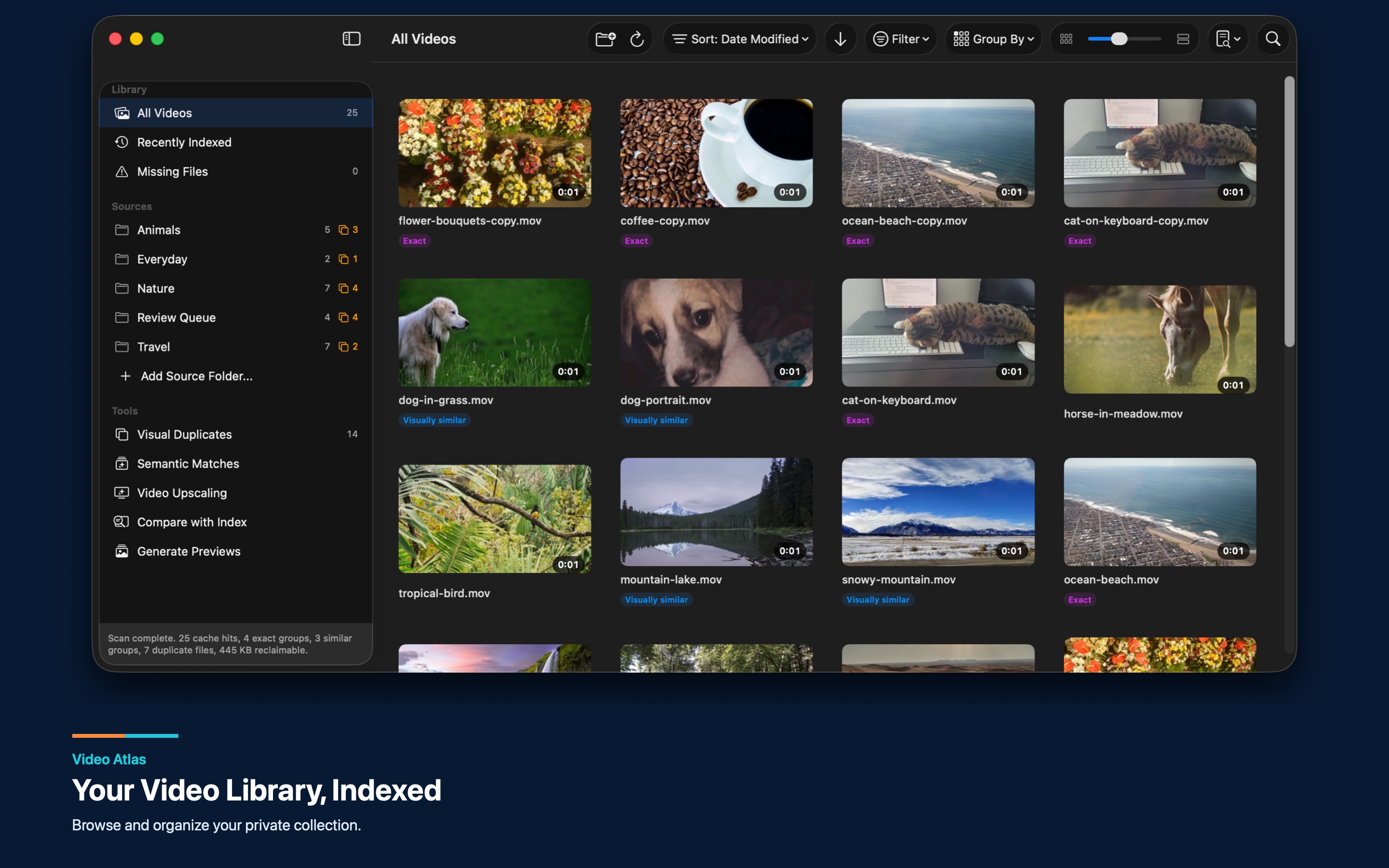
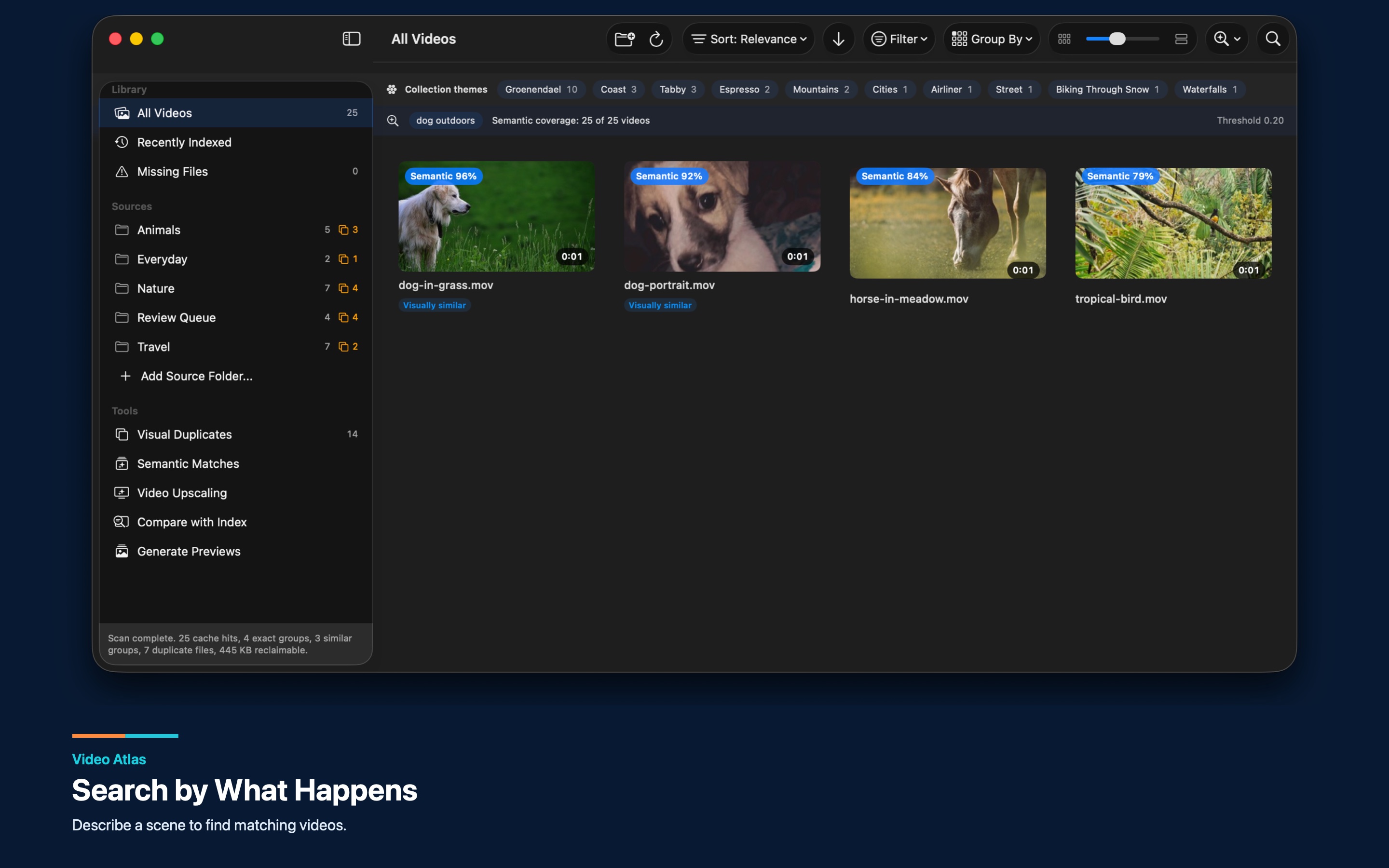
Video Atlas
Private Mac video library with on-device scene search, collection themes, duplicate review, similar-video discovery, and encrypted local-network streaming to iPhone and iPad.

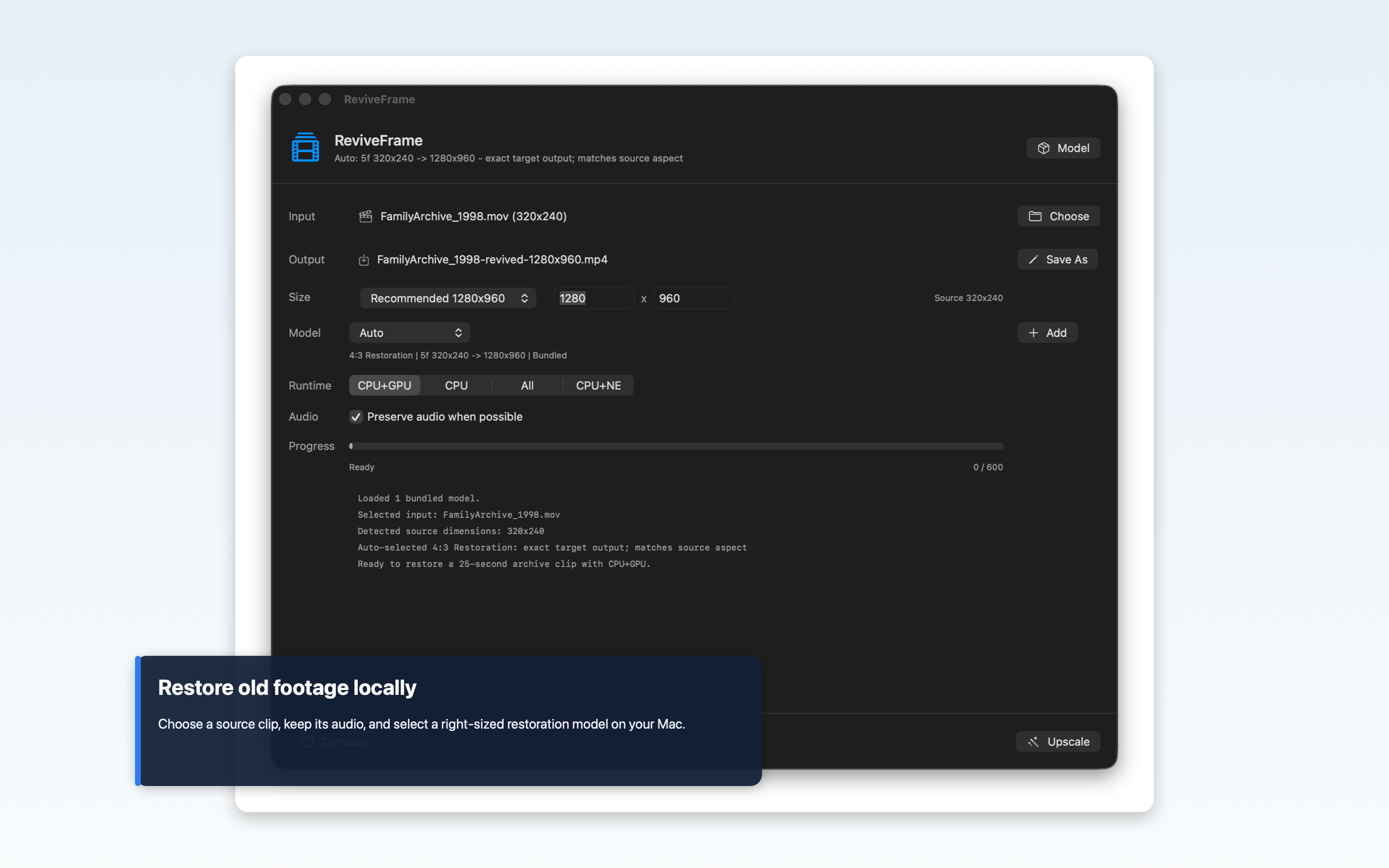
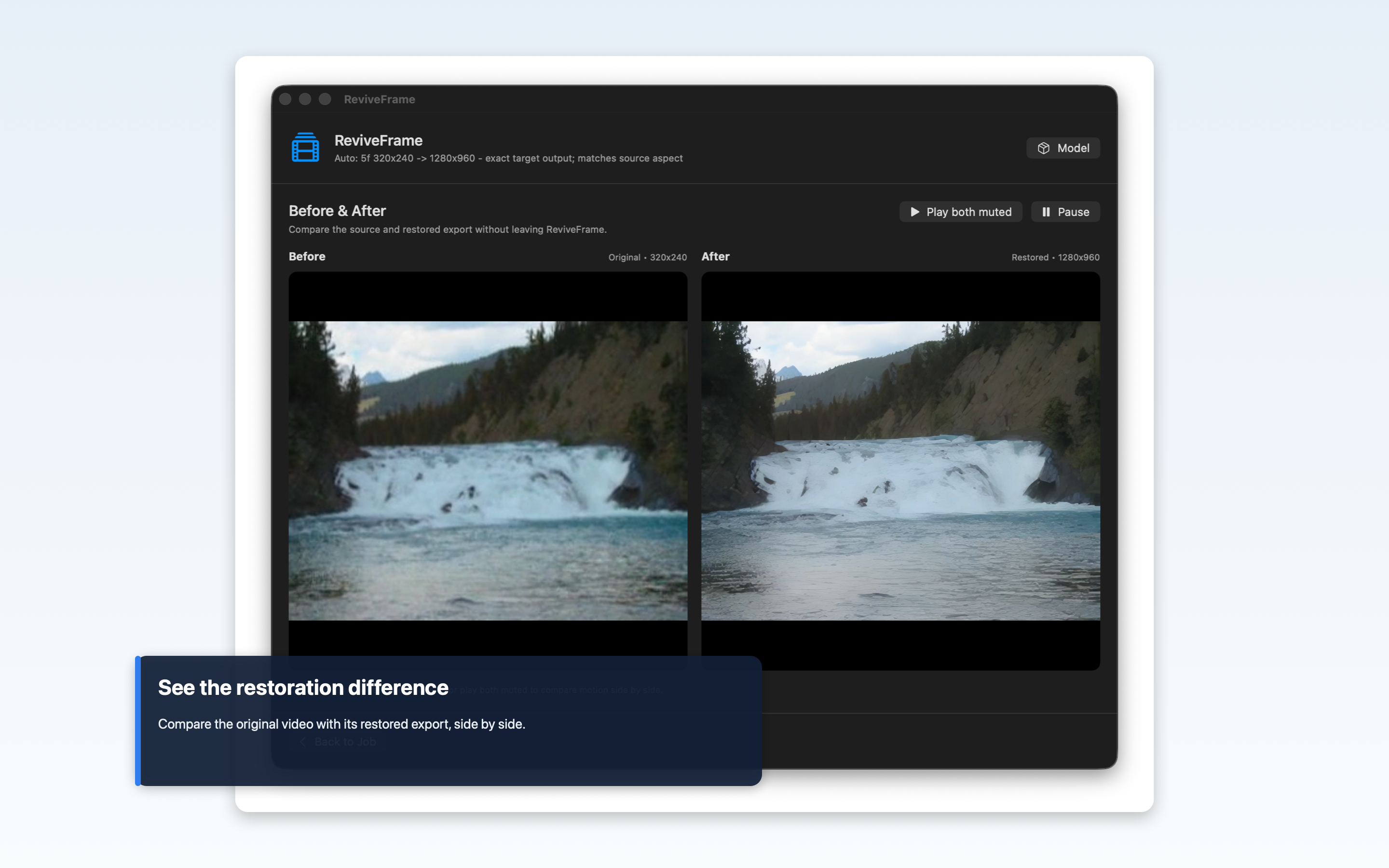
ReviveFrame
Native macOS app for restoring and upscaling old home movies, family clips, travel footage, and low-resolution archives locally on your Mac.
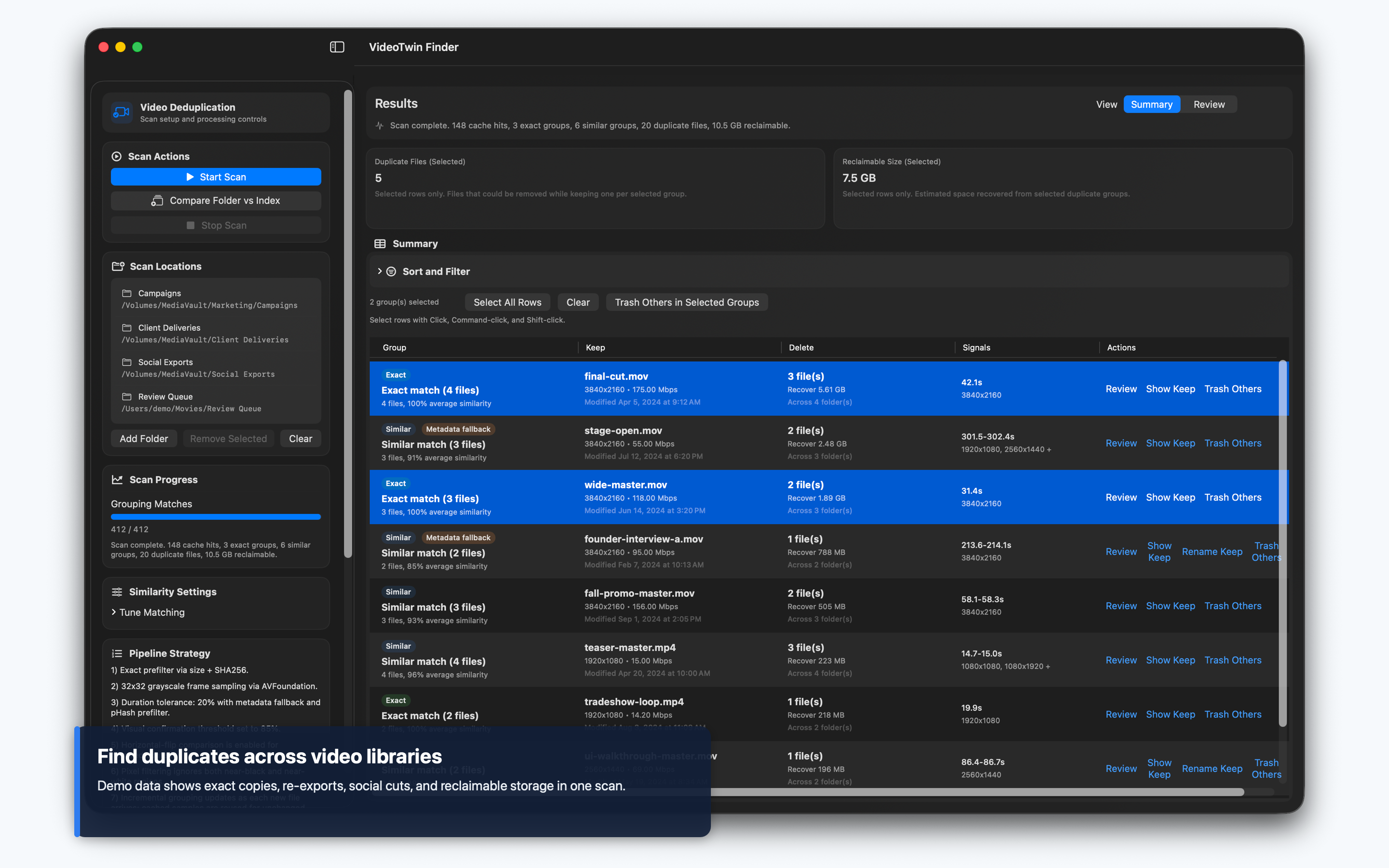
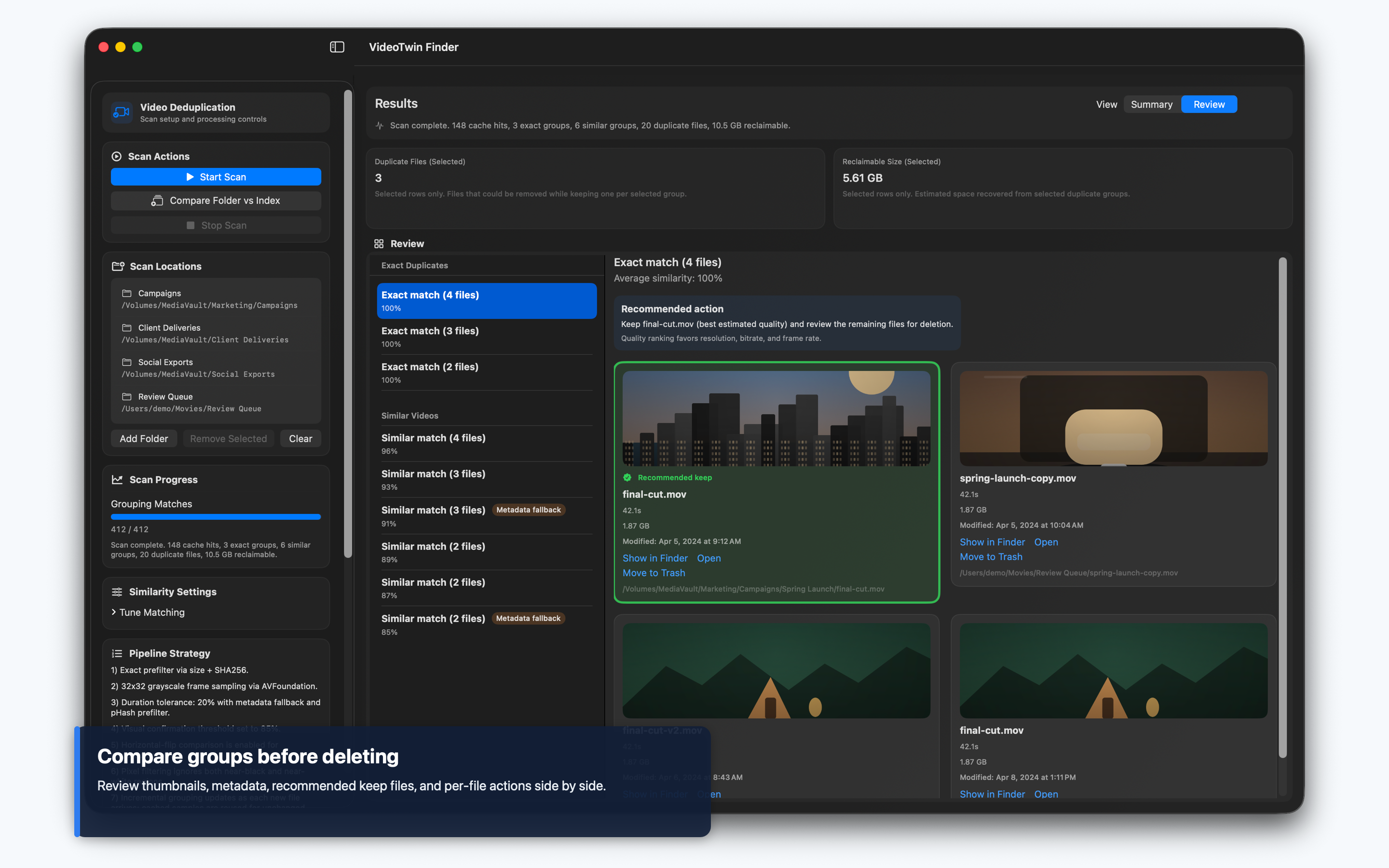
VideoTwin Finder
Native macOS app for finding exact duplicate and visually similar videos, with full-index scans, source filters, cached library comparison, and careful review before Trash.
Everyday Tools 4 apps
Practical helpers for your connection, kitchen, receipts, and daily workflow.
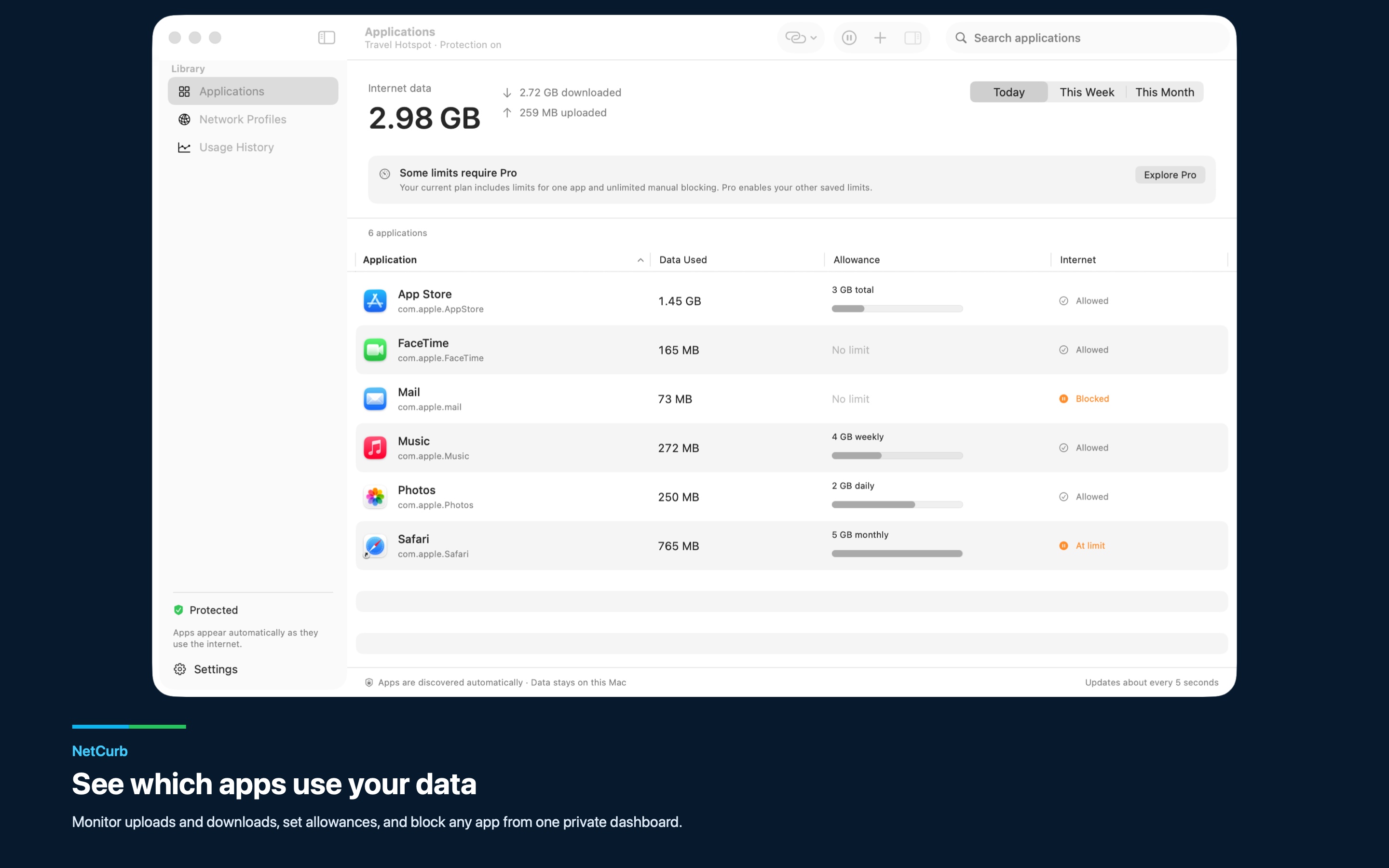
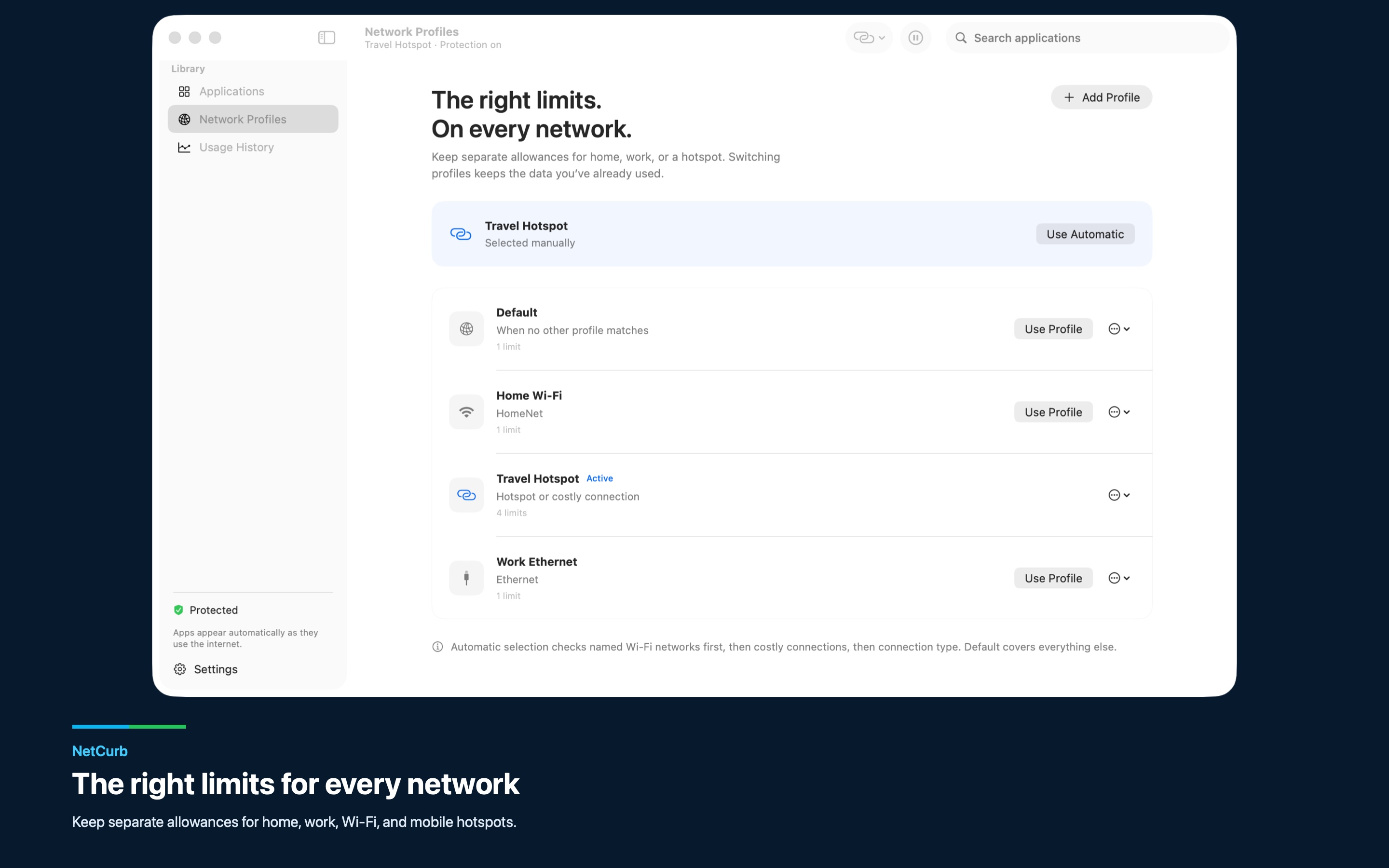
NetCurb
Per-app Mac data monitoring, limits, and internet blocking for travel, phone tethering, roaming, and other connections where every megabyte matters.
PantryIQ
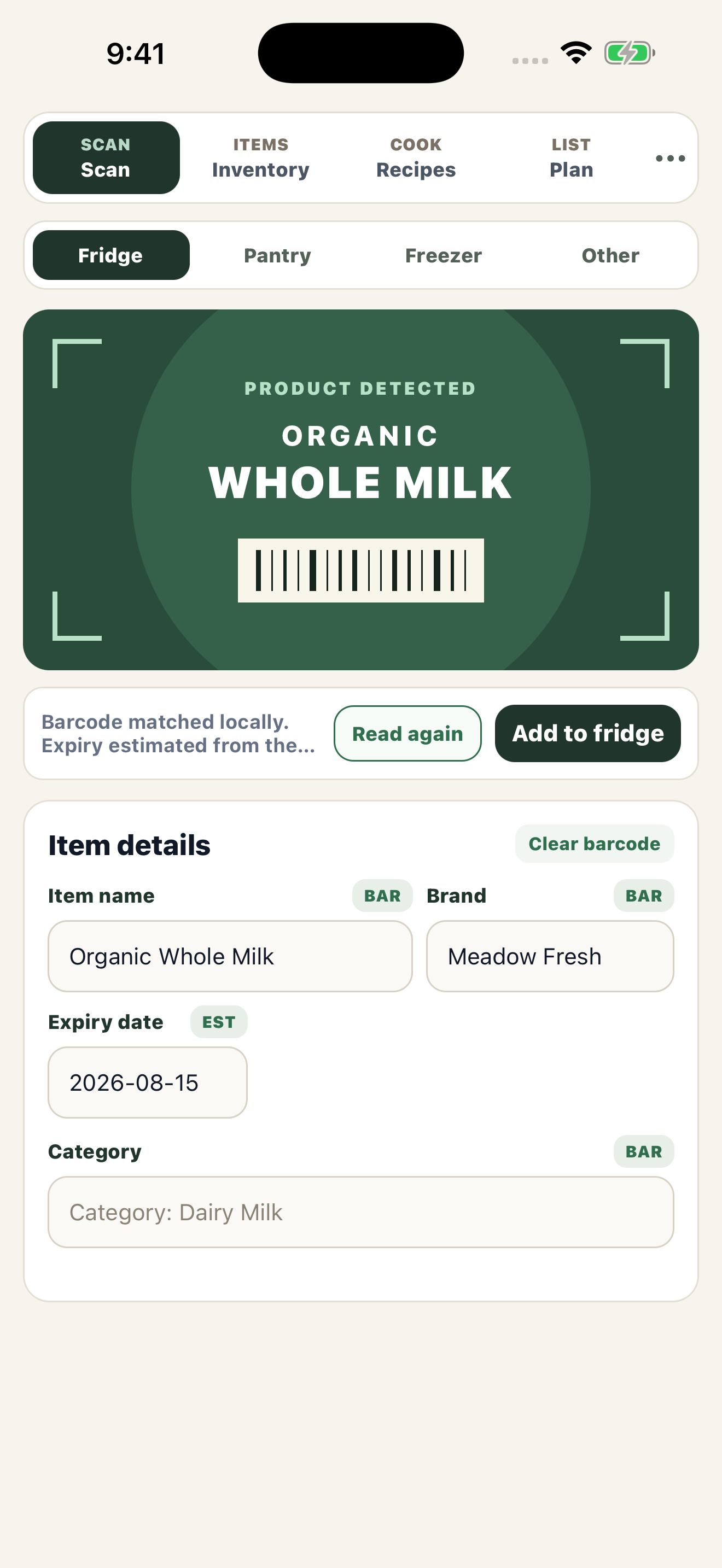
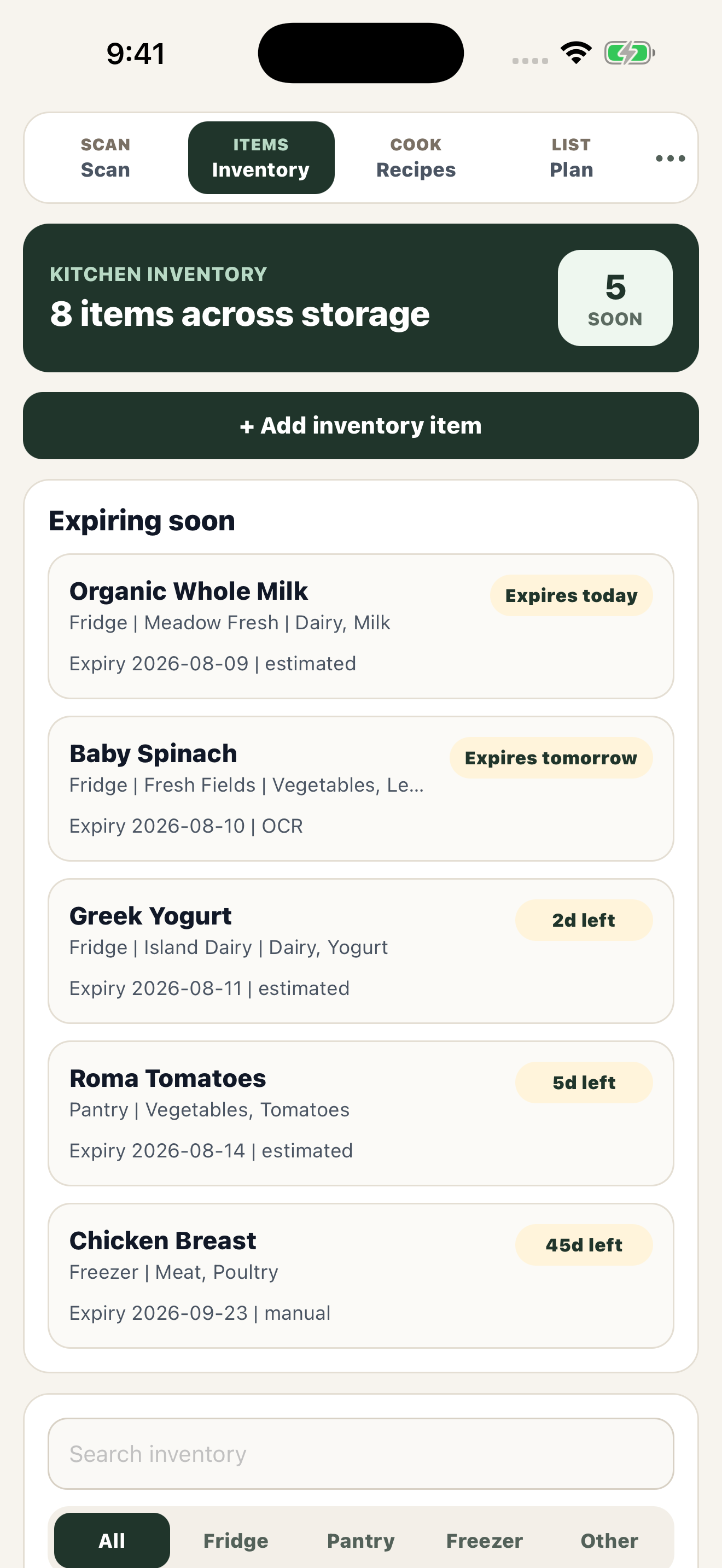
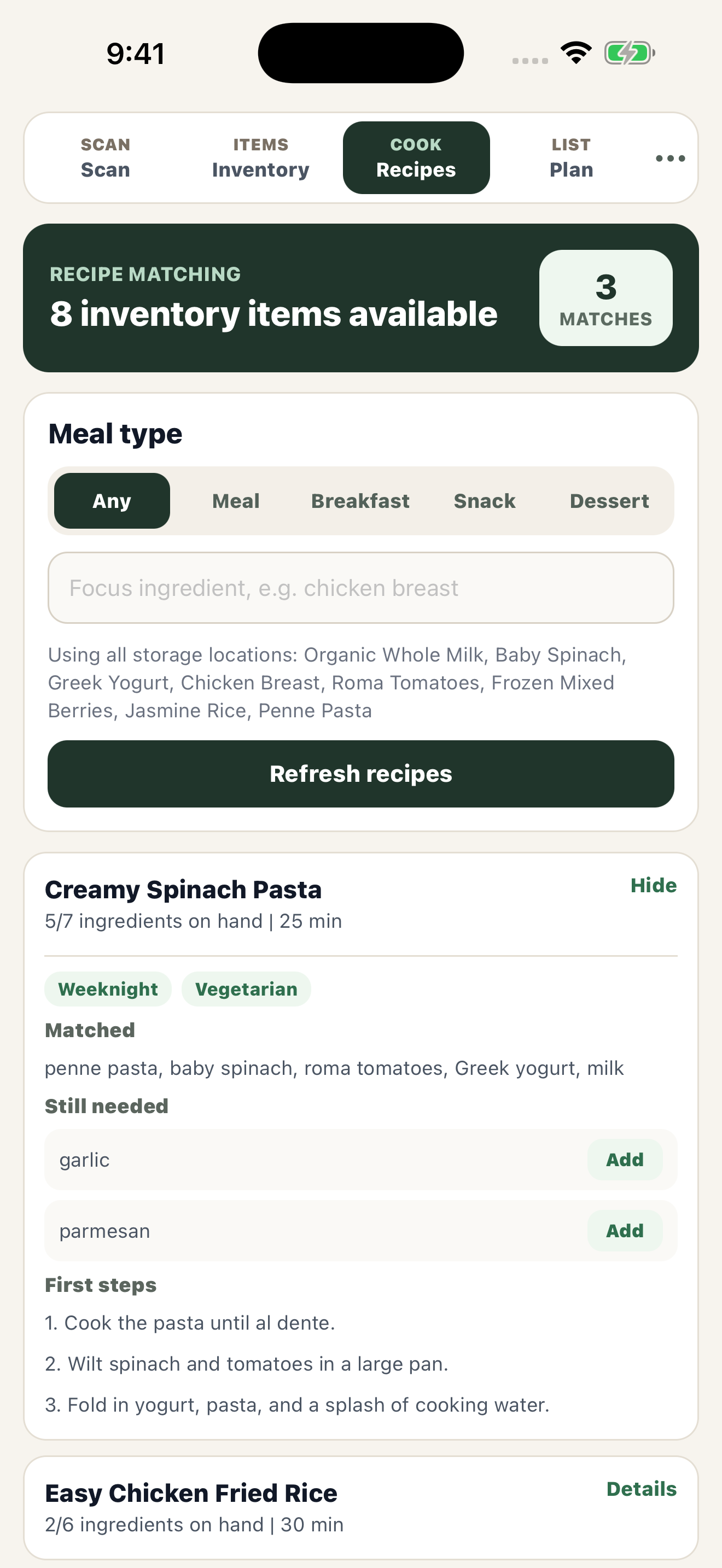
Private, offline-first kitchen inventory for scanning groceries, tracking expiry dates, matching recipes to ingredients on hand, and planning what is missing.

Simple Clipboard Manager AI
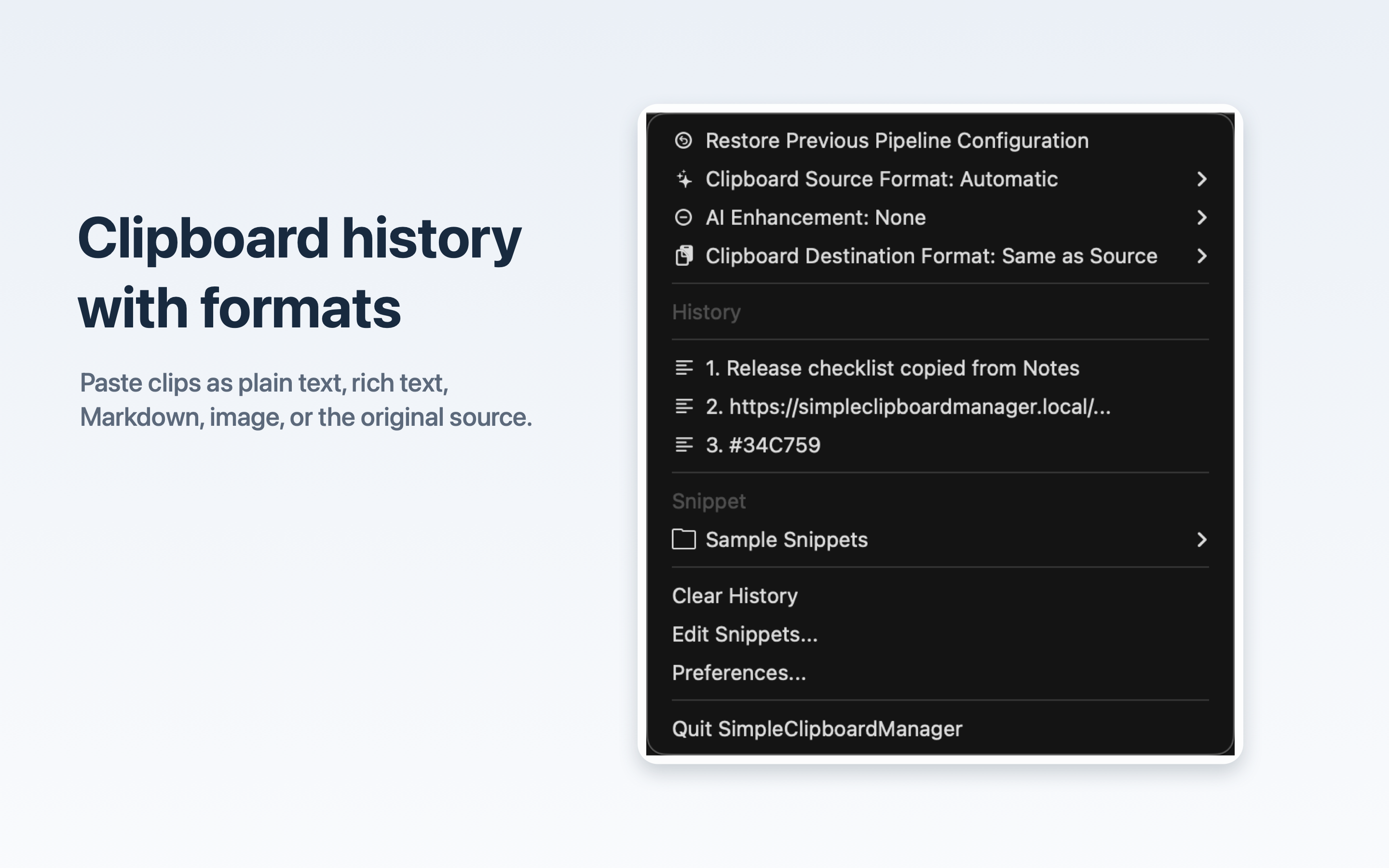
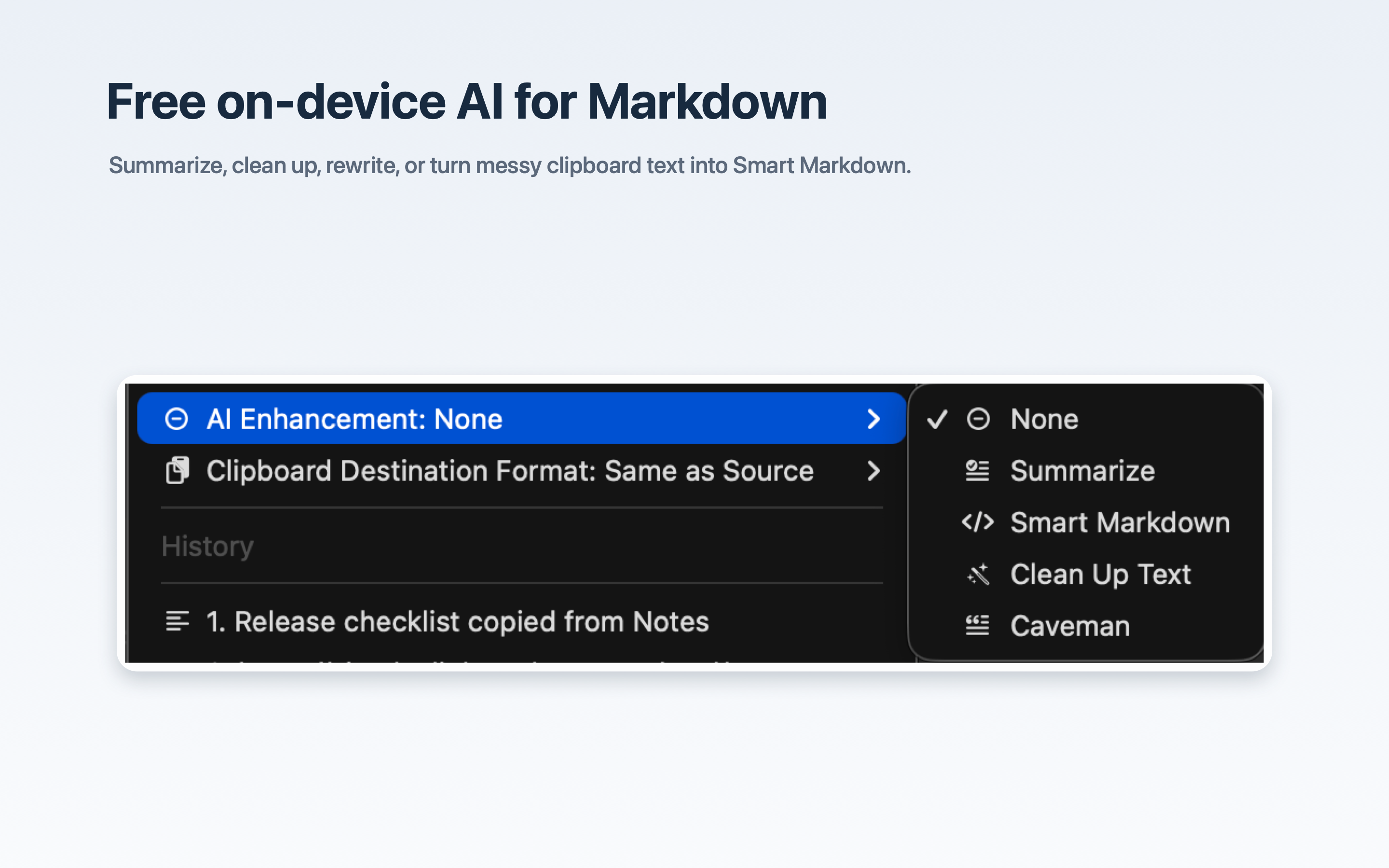
Fast Mac clipboard history for Markdown-heavy work, with OCR for screenshots, rich text conversion, reusable snippets, and private on-device AI cleanup.
Reading & Voice 5 apps
Read, create stories, and turn ideas into spoken audio.
Silo Vault
A privacy-first, on-device voice conversation with Silo’s fictional Algorithm, powered in Chrome by speech recognition, Gemini Nano, and Pocket TTS.
Open the live app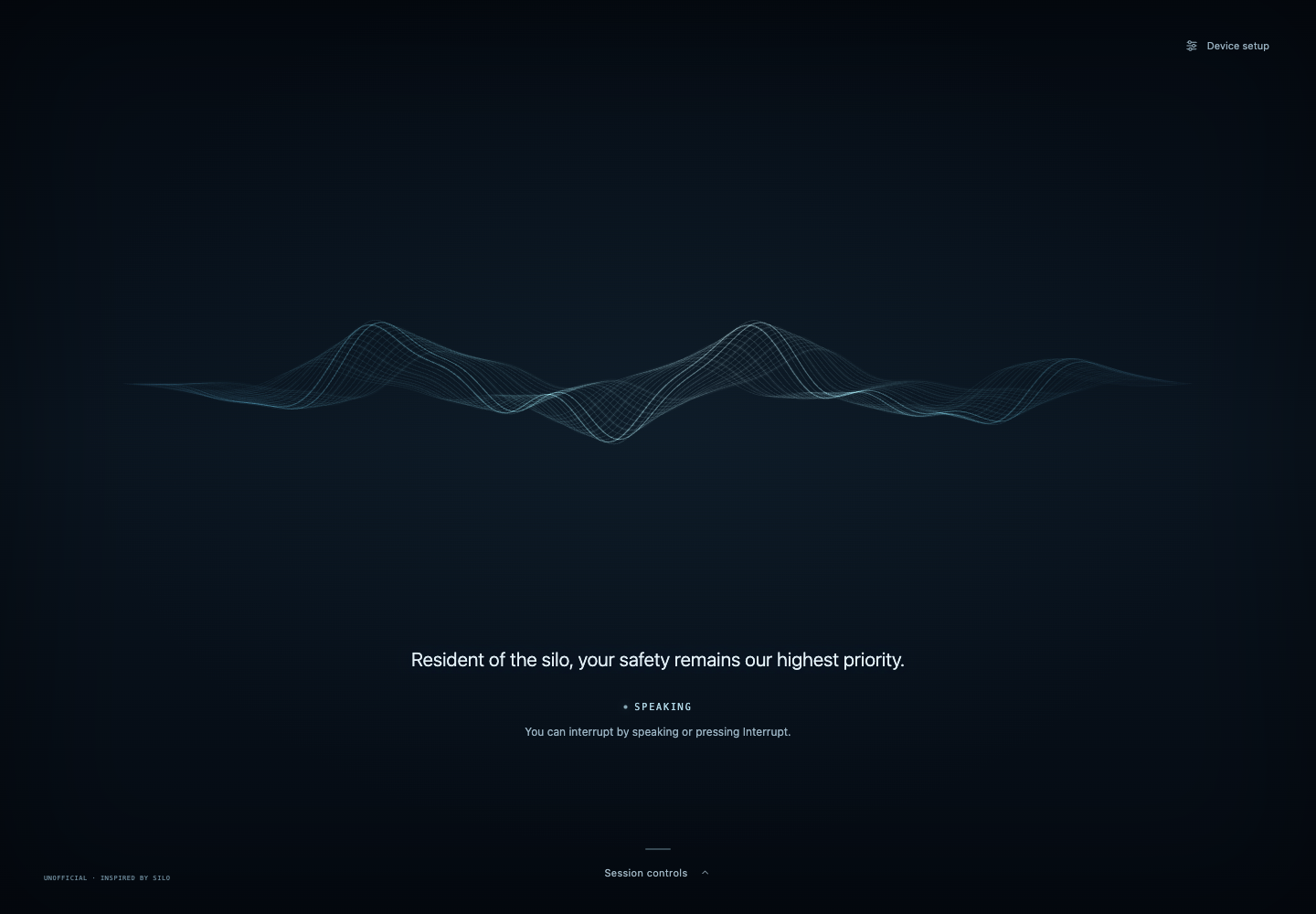
Read Aloud Book Reader
Turn an ebook into an on-device audiobook and create chapter summaries with a locally run LLM.
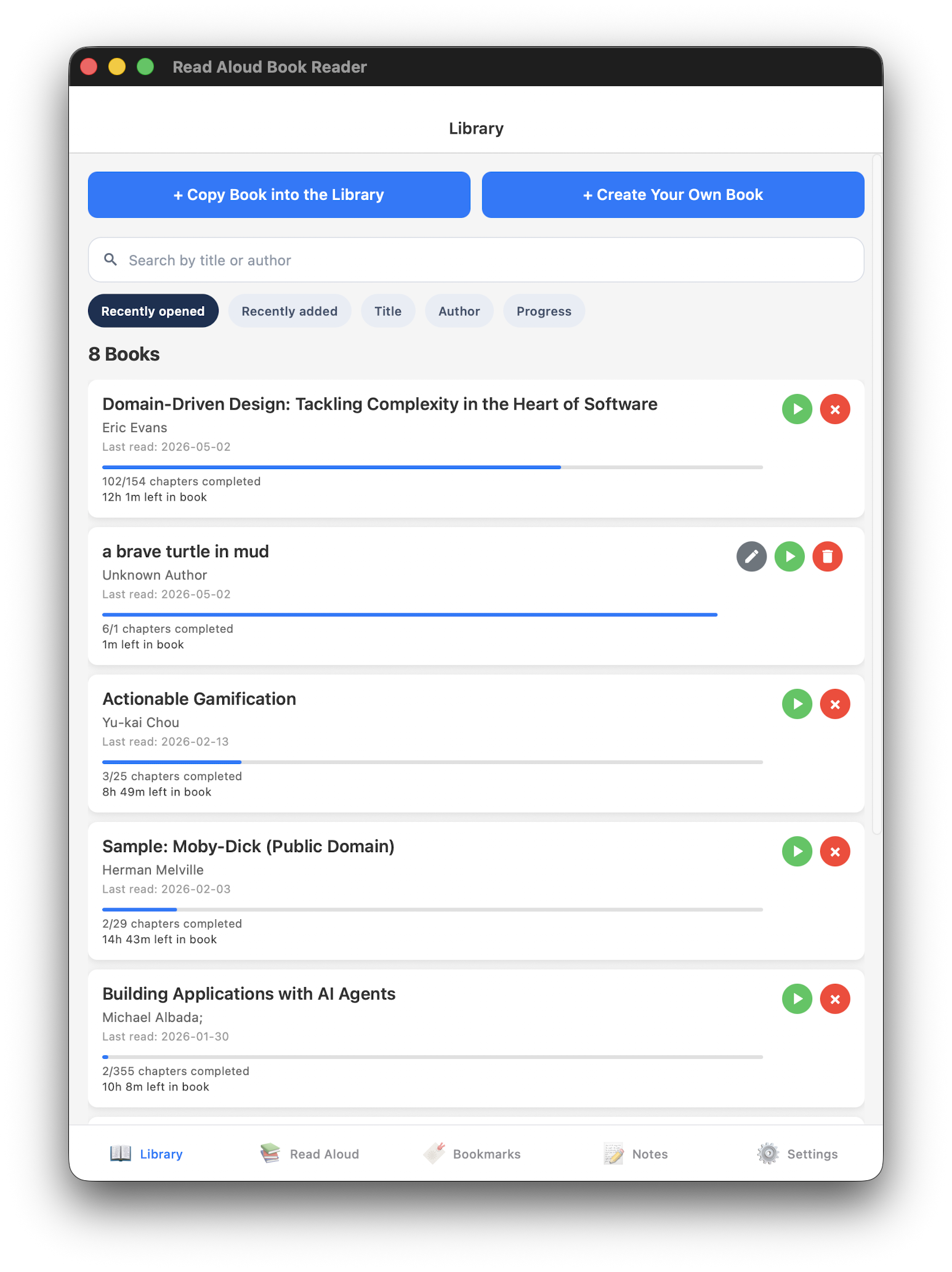
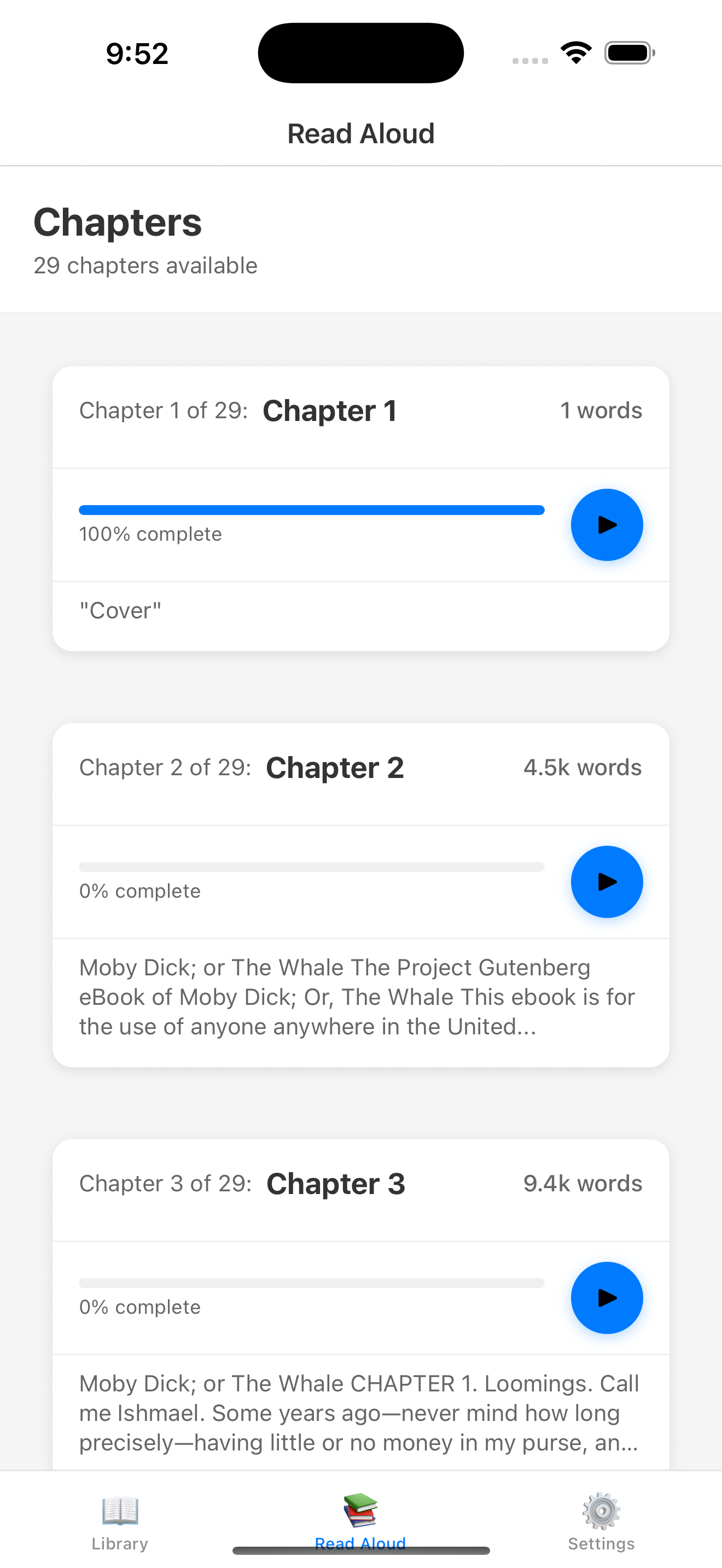
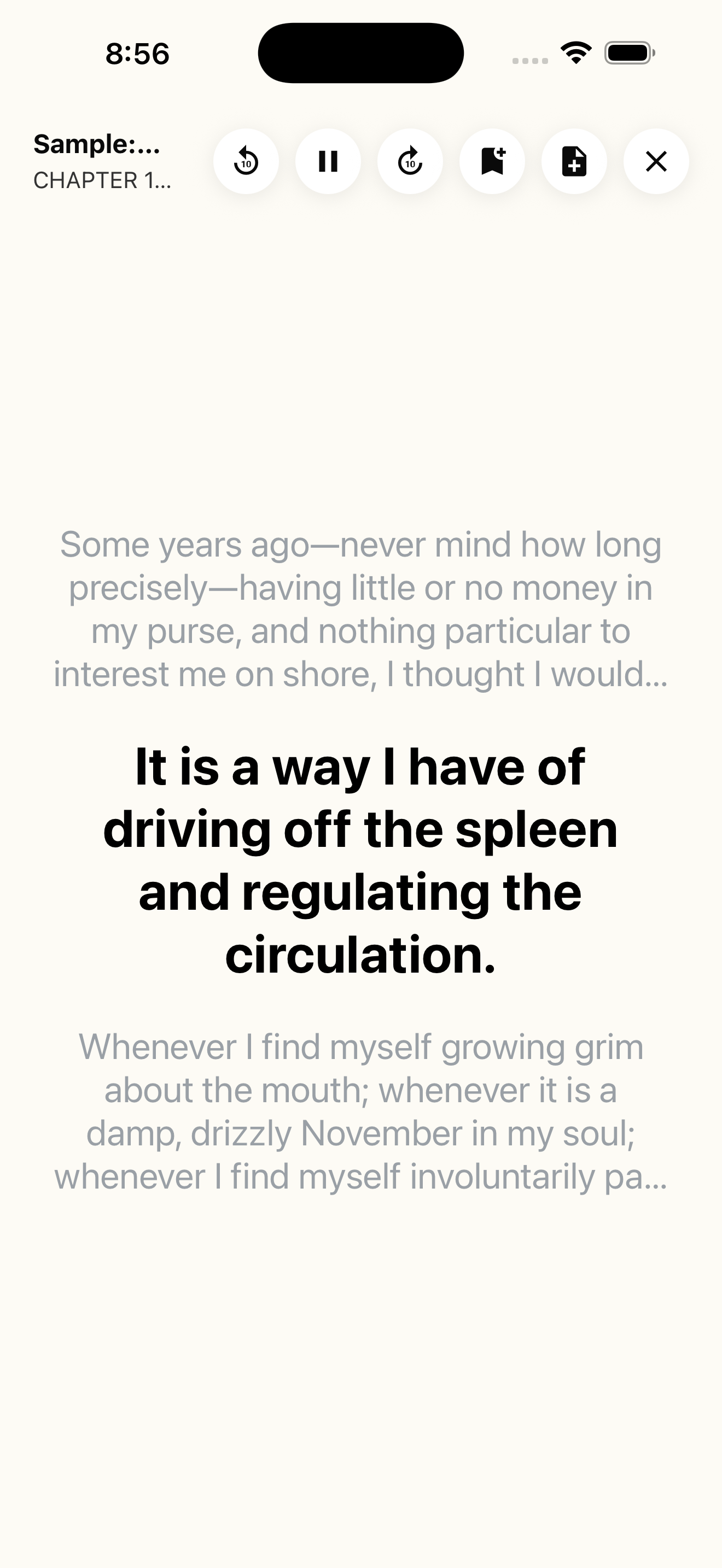
Bookletto for Family
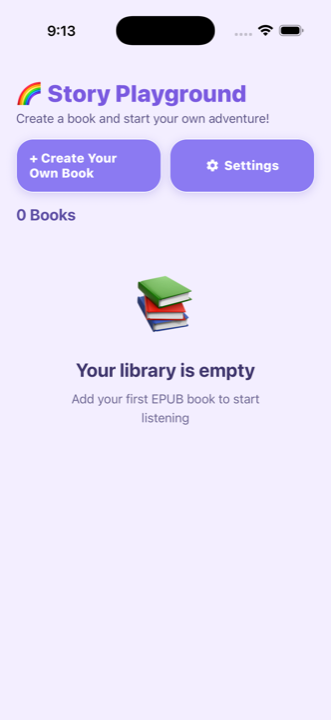
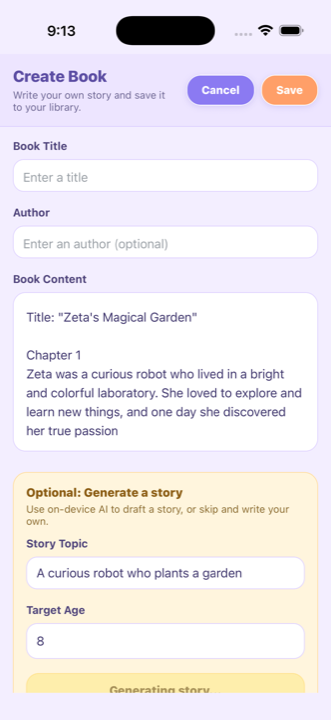
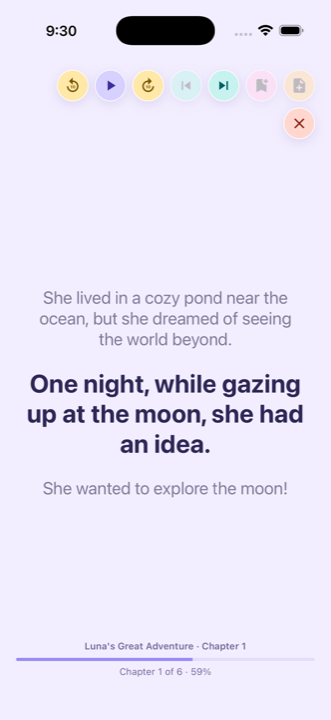
Storytime for busy parents: generate new adventures with on-device AI, then read English stories aloud in your own voice on iPhone and iPad.
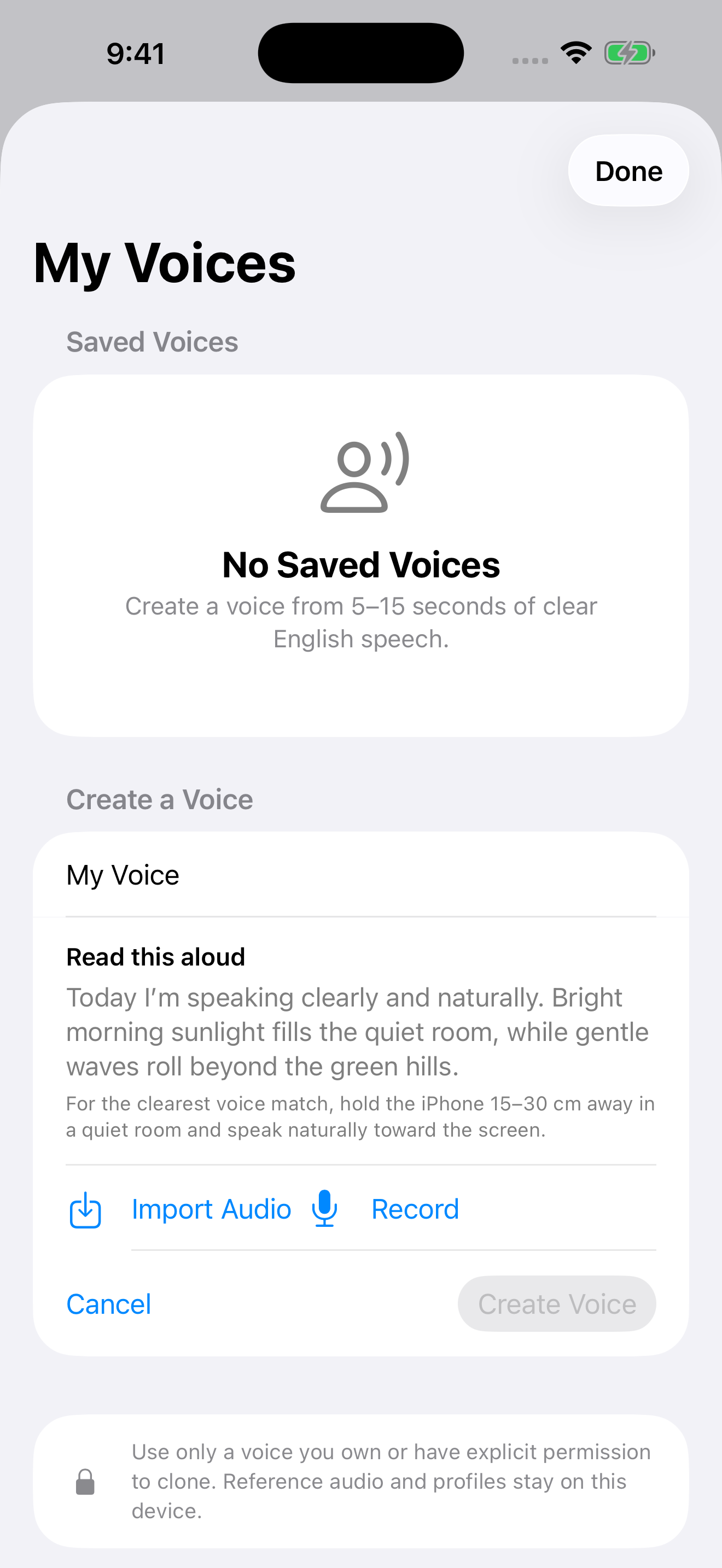
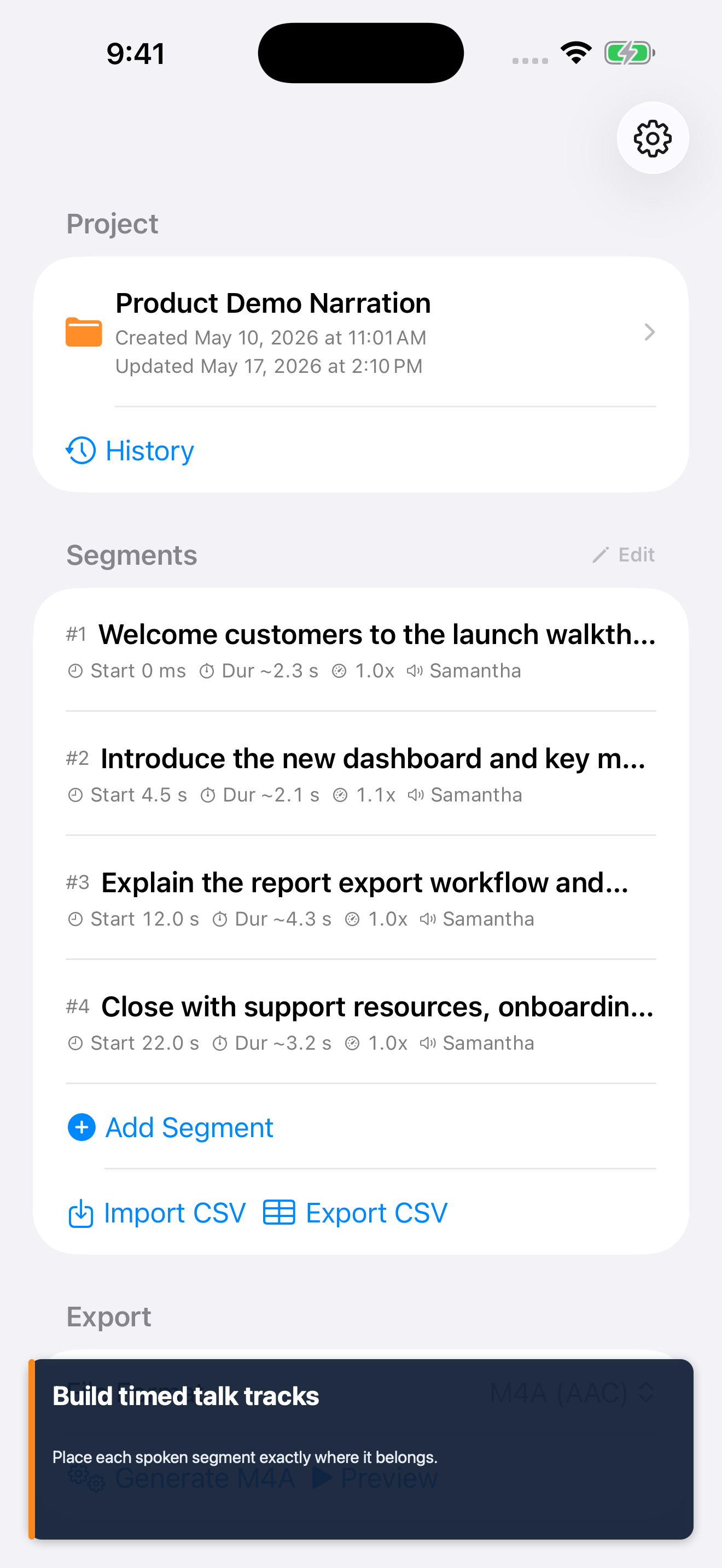
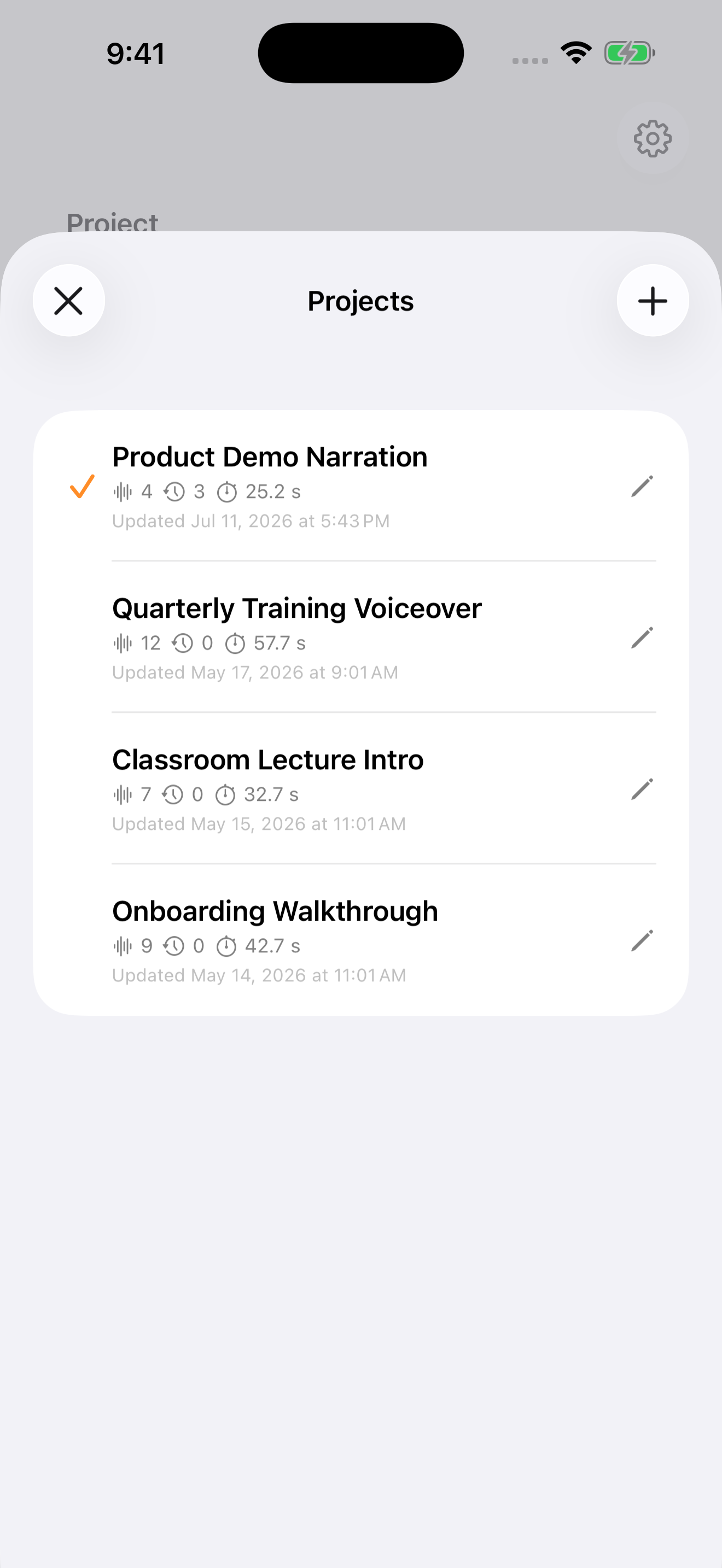
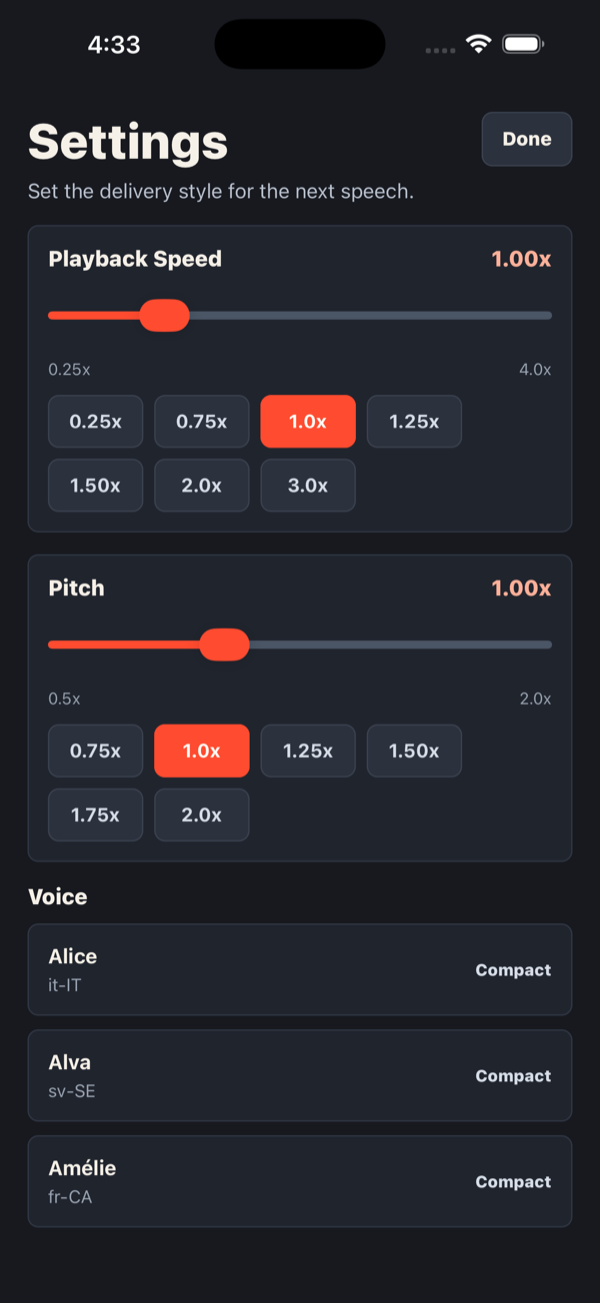
SpeechTrack: Live Voice Clone
Clone an English voice on-device from a short recording or imported audio, build precisely timed narration with cloned or system voices, and preview or export one shareable audio track.

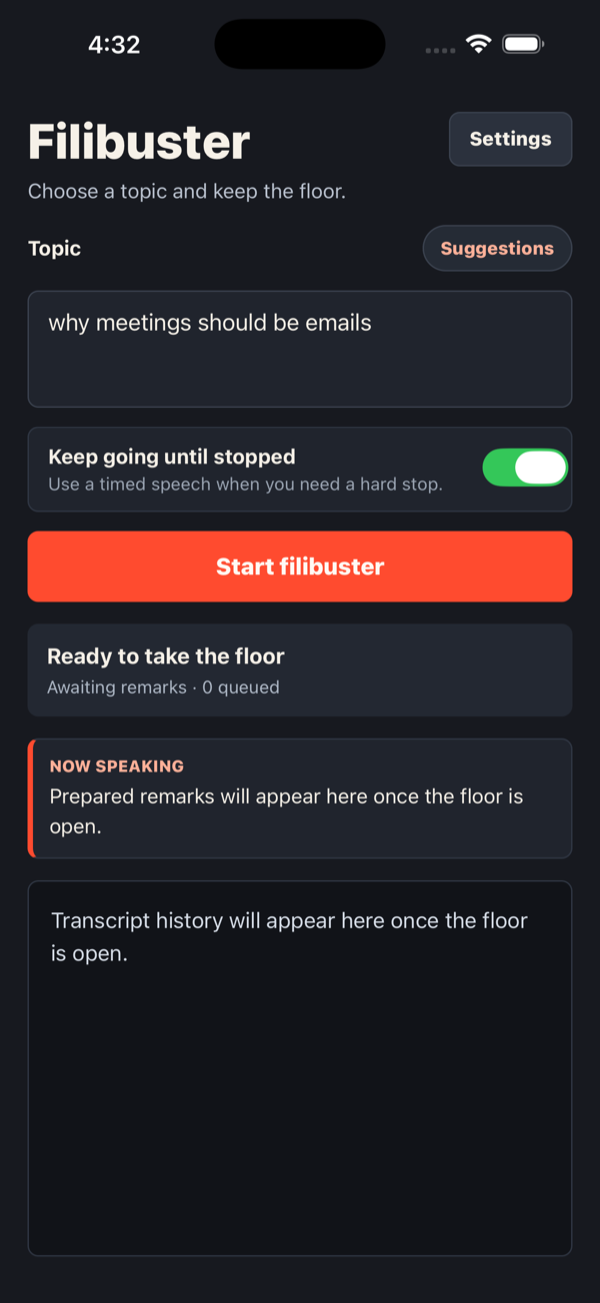
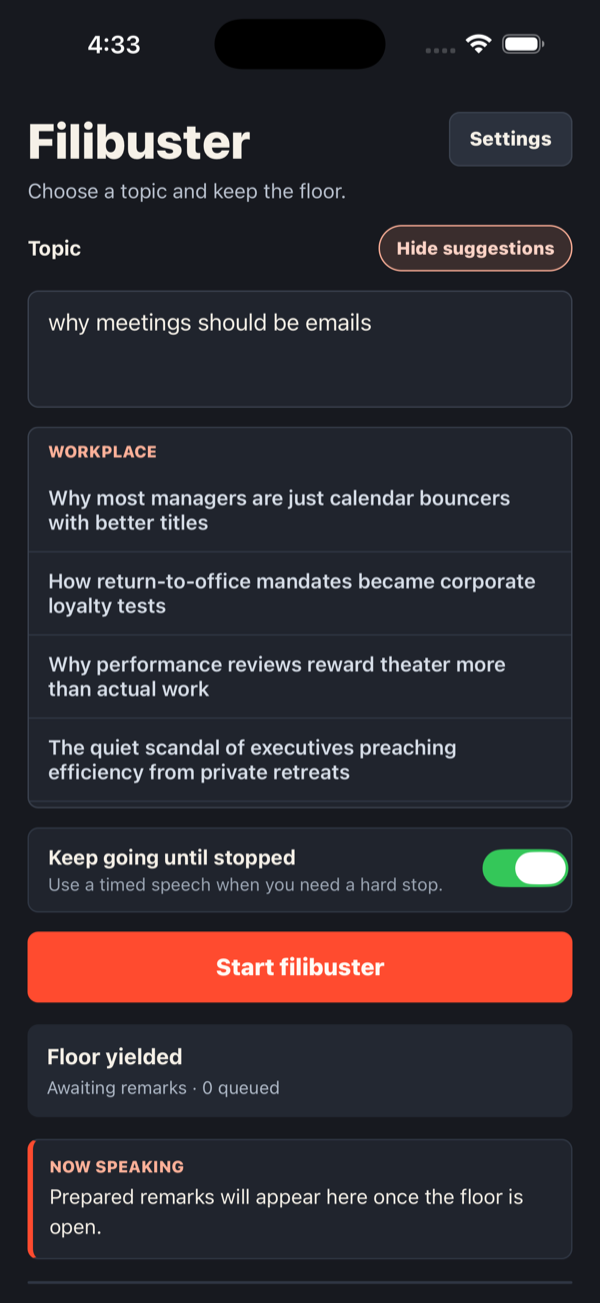
Filibuster
Generate lively spoken monologues from a topic, streaming an on-device LLM into text-to-speech as remarks are created.
Language Learning 2 apps
Explore languages through the objects and words around you.
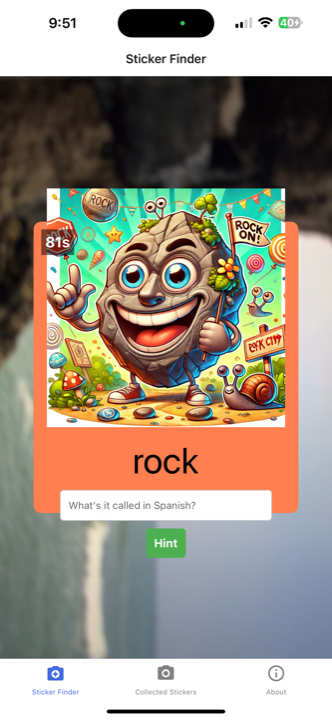
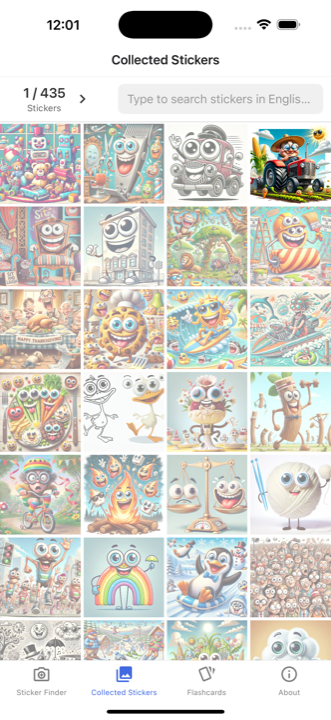
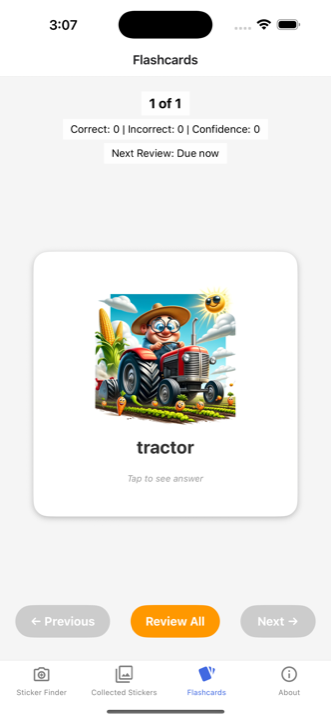
Spanish or Vanish
A vocabulary game that uses computer vision to identify objects and help you learn Spanish.
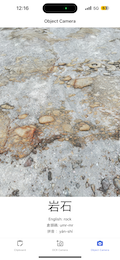
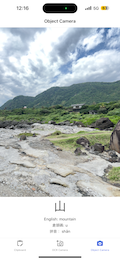
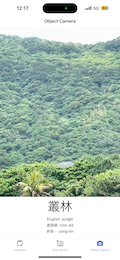
CJExplorer
A language lookup and translation app that uses OCR and computer vision for instant object identification.
Apple Watch 2 apps
Keep useful information close at hand, right on your wrist.
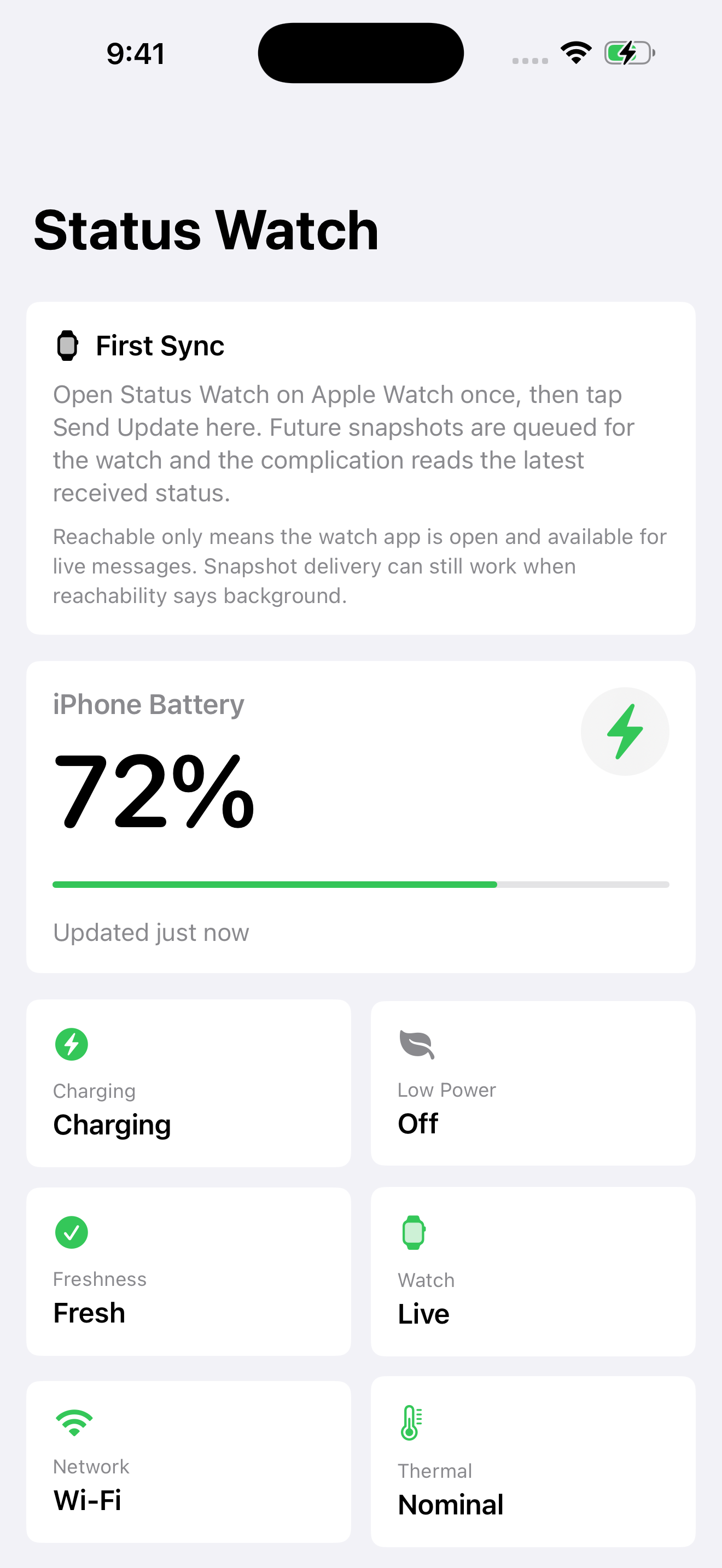
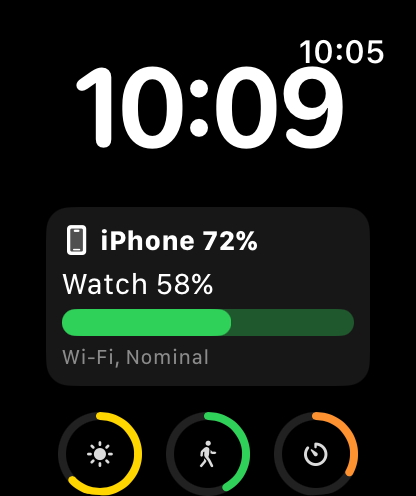
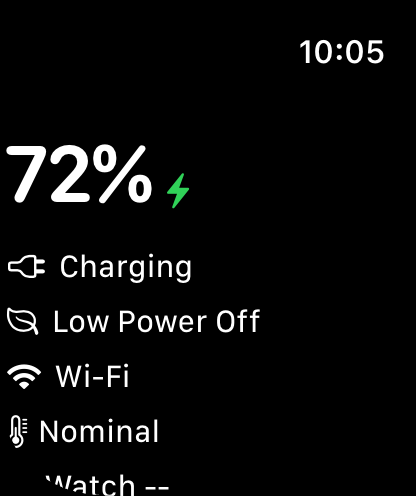
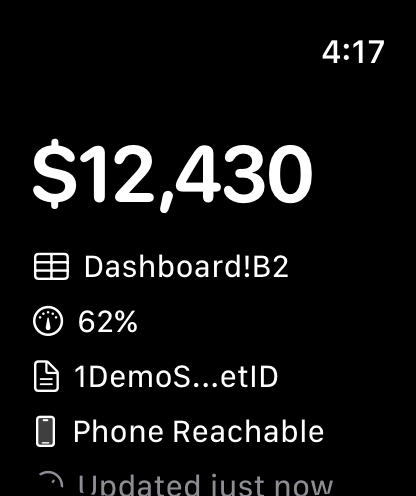
Status Watch
Native iPhone and Apple Watch app that mirrors reliable iPhone status to the watch app and watch face complications, including battery, charging, network, Low Power Mode, and freshness.
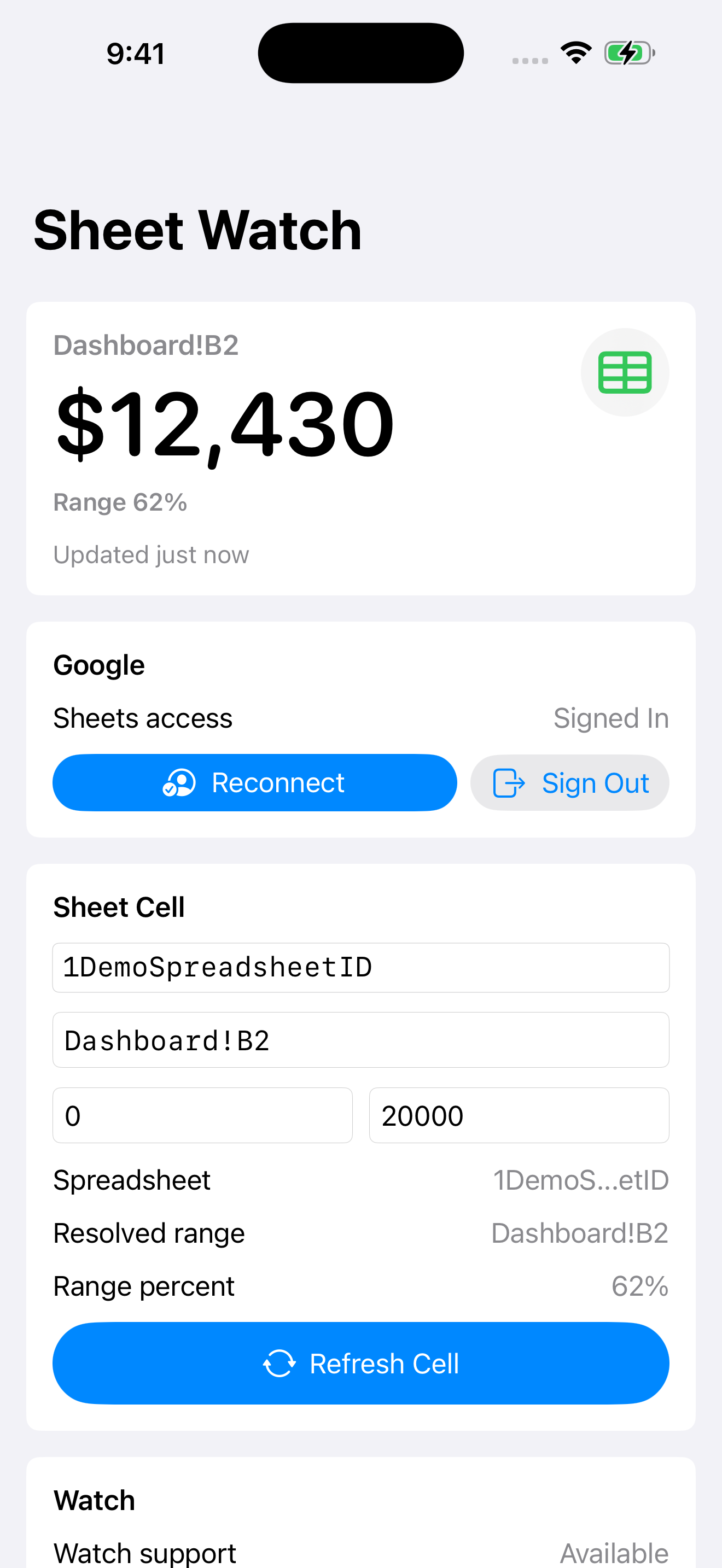
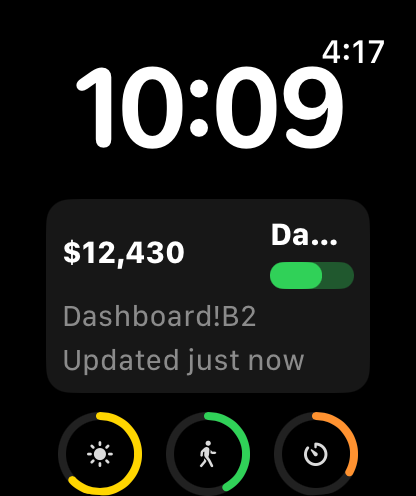
Sheet Watch
Native iPhone and Apple Watch app that keeps one important Google Sheets cell visible on the watch app and watch face complications, with demo mode, refresh snapshots, and an optional range gauge.
Games 1 app
Playful worlds built for a little exploration and mischief.
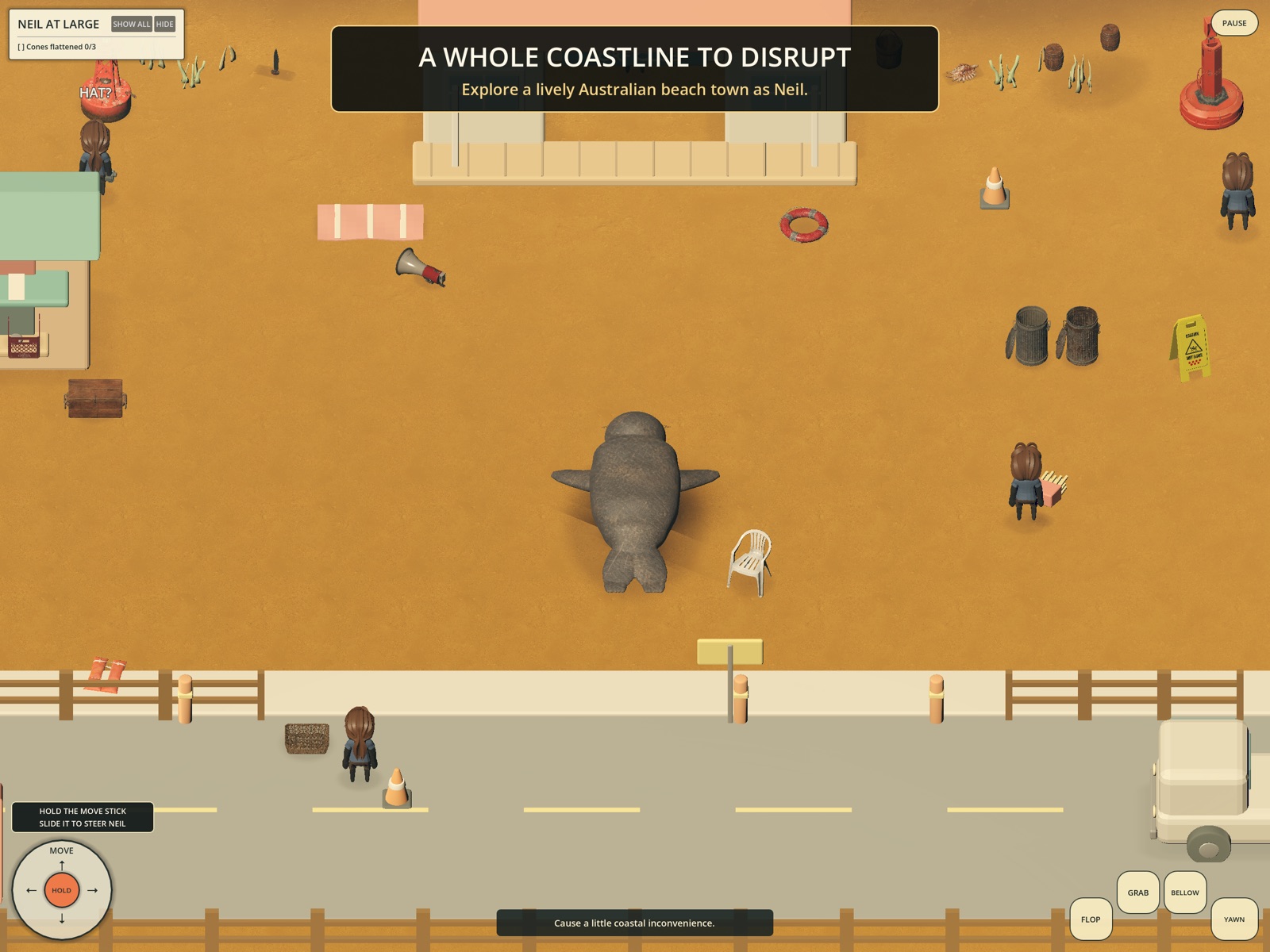
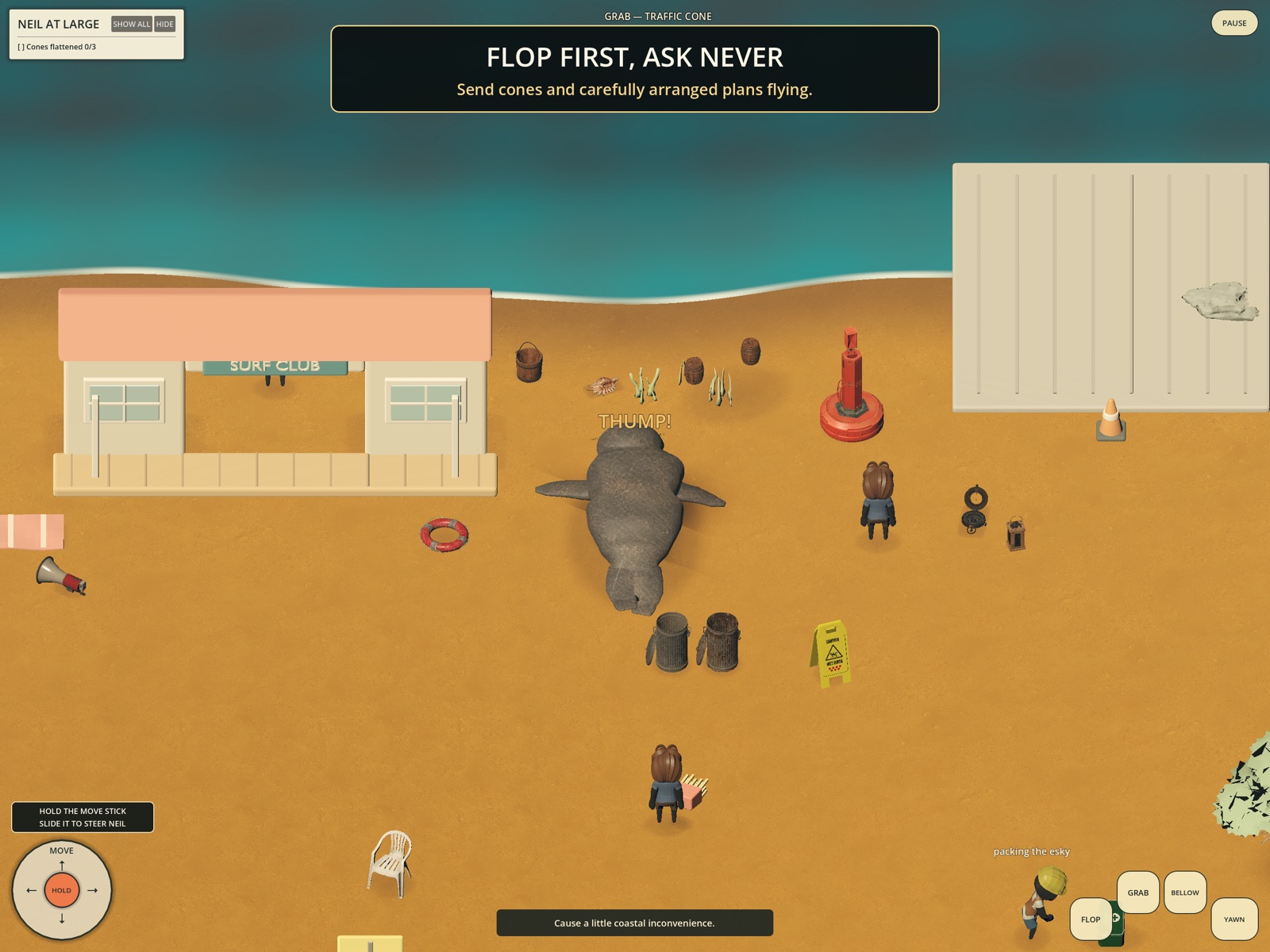
Neil at Large
A playful coastal-town puzzle adventure about causing good-natured chaos as a very determined elephant seal.
AI Experiments
In February 2024, I built a personal chatbot with React, OpenAI, Python, and Flask, trained on my resume and writing.
Before ChatGPT, I used TensorFlow in Google Colaboratory to create and document an English-to-Cantonese translation prototype. It feels modest now that generative AI is everywhere, but it was a fun early exploration.

UX Design
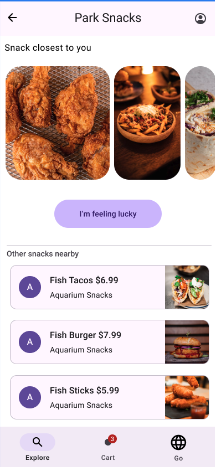
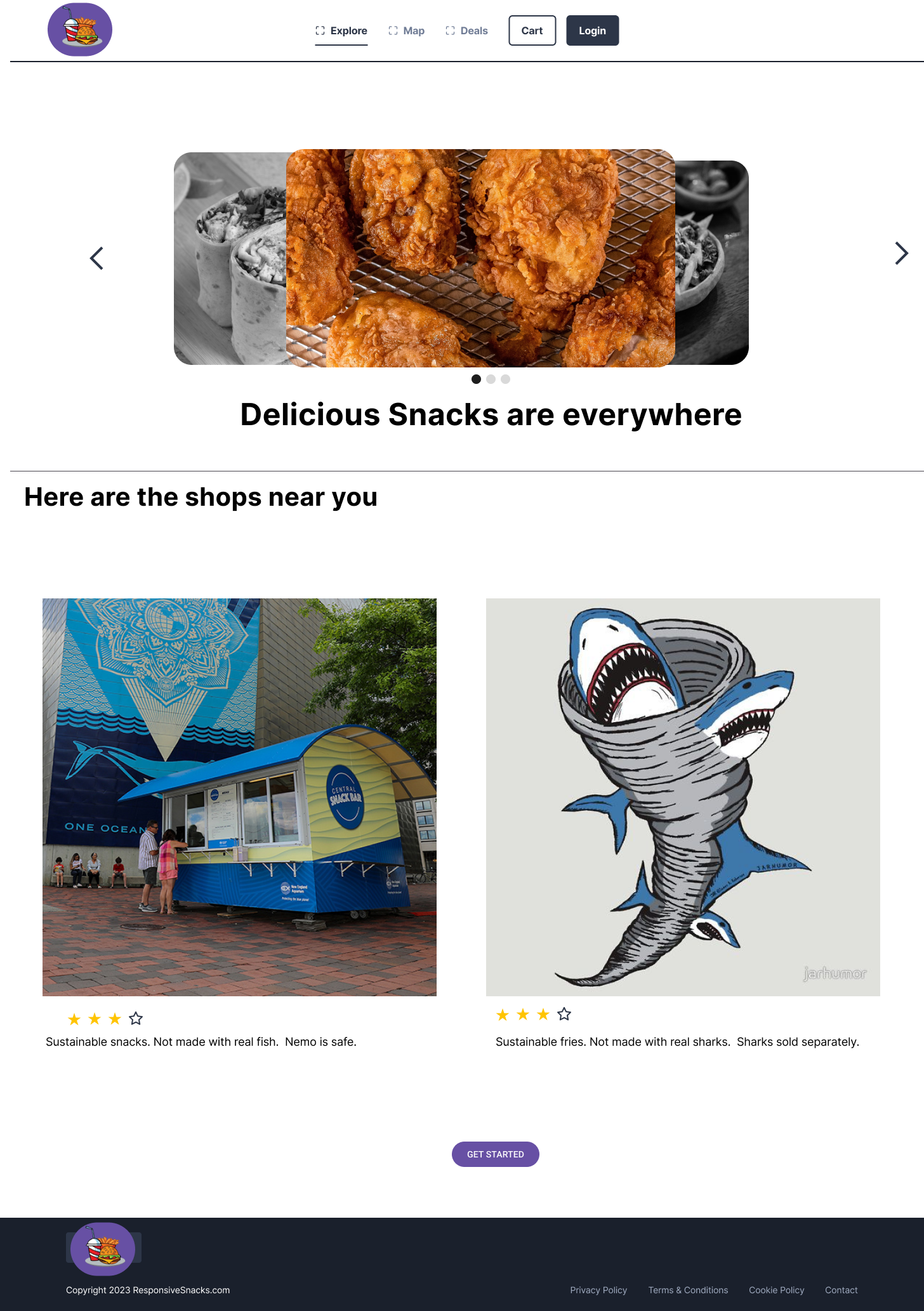
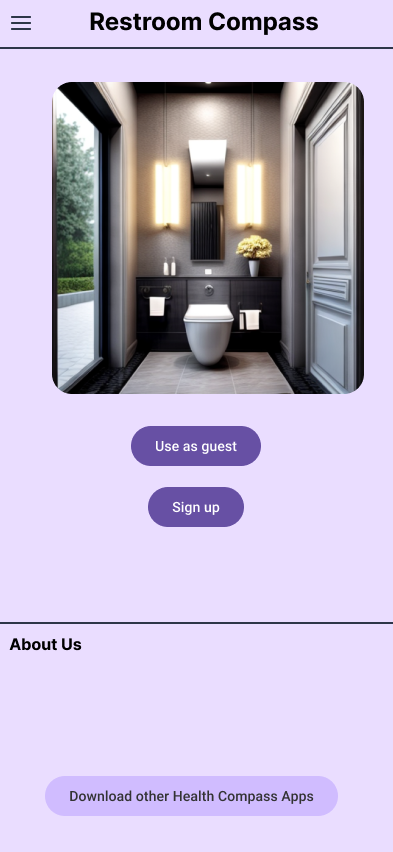
In 2023, I started the Google UX Design Professional Certificate. The final course required putting my portfolio online. The capstone deck includes three case studies.
Professional Work
I'd love to show more of the work I've done for Apple, Electronic Arts, and other companies, but those projects are covered by non-disclosure agreements. Electronic Arts did issue plaques for credited games; you can see my selected work credits here.


Older Projects
Some older project descriptions have moved to a separate older projects archive. It includes university-era algorithms, OpenGL work, C# utilities, web apps, and medical imaging toolkit projects.
Quick links: ASCII Art Steganography, 3D Room Scene, Multiplayer UNO, Perl Blog, ITK Application, and MATITK.